
AviProtek® Turbo Bird Friendly Glass
Faster. Bigger. Better.
AviProtek® Turbo is a bird friendly glass that provides shorter lead times, larger stock sheets for bigger openings, and efficiency, backed by the trusted performance and quality of the industry-leading AviProtek® brand.
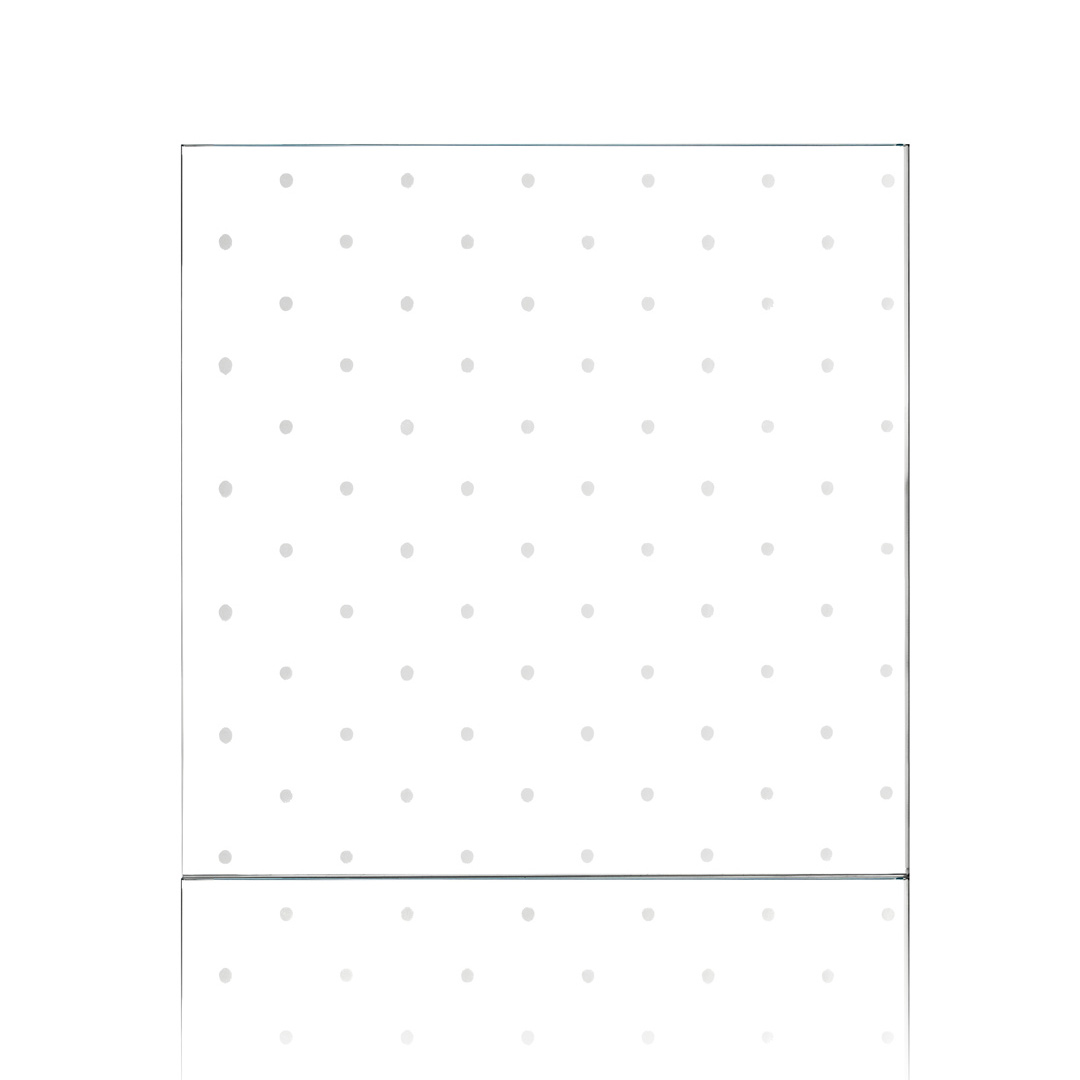
This bird safe glass was designed for projects requiring large quantities of glass and bigger openings. It is available on standard stock sheets of 96″ x 130″ and 100″ x 144″, with or without a low e coating on surface two. The minimum order is three blocks per pattern. For applications that require less than three blocks, we recommend AviProtek® Bird friendly glass or AviProtek® E low e bird safe glass.
AviProtek® Turbo Bird Friendly Solutions
Low E Coated Bird Safe Glass
Bird friendly glass with acid etched markers on surface one and a low e coating on surface two.
915
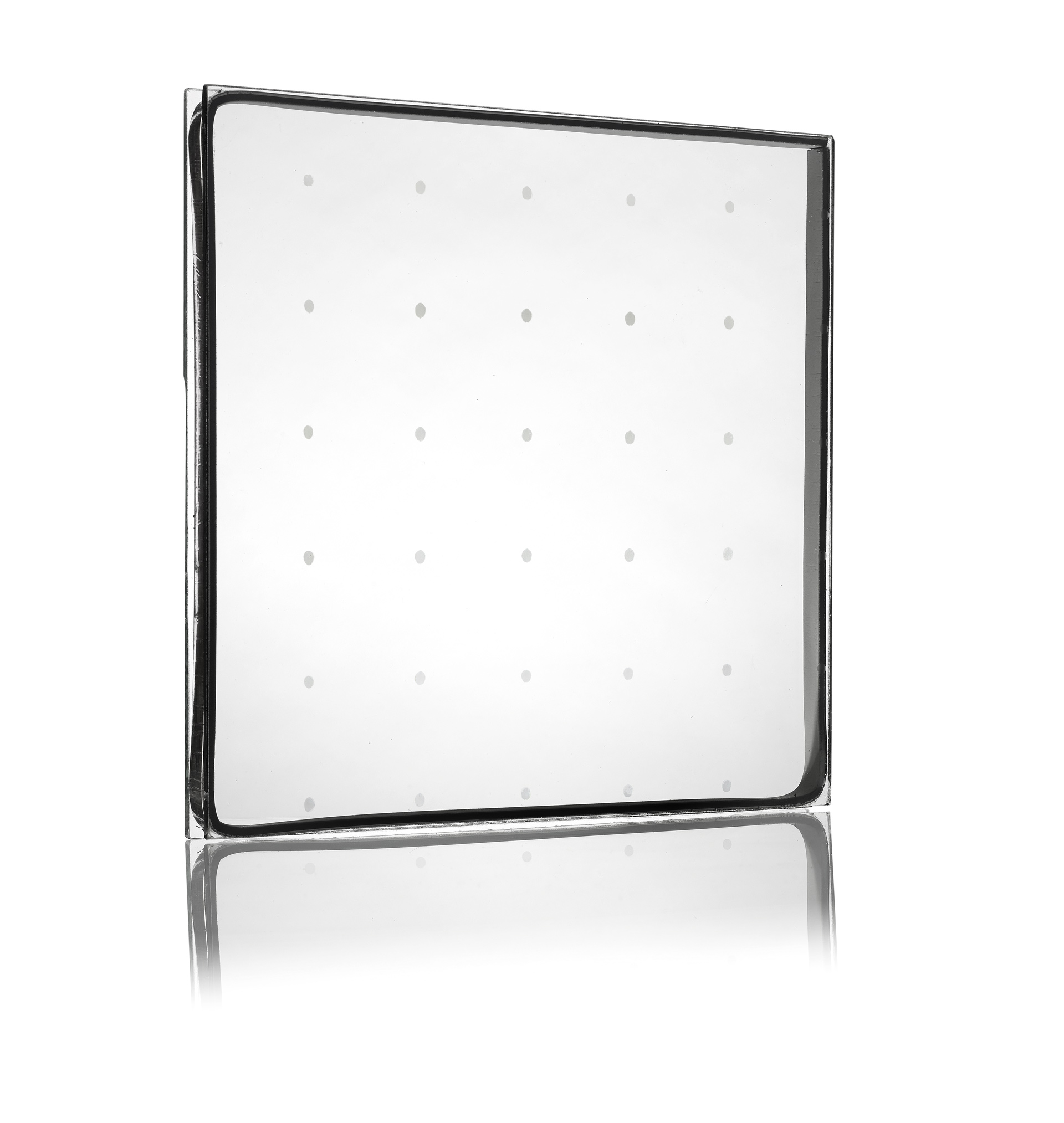
2’’ x 2’’ – 5mm Dots
917
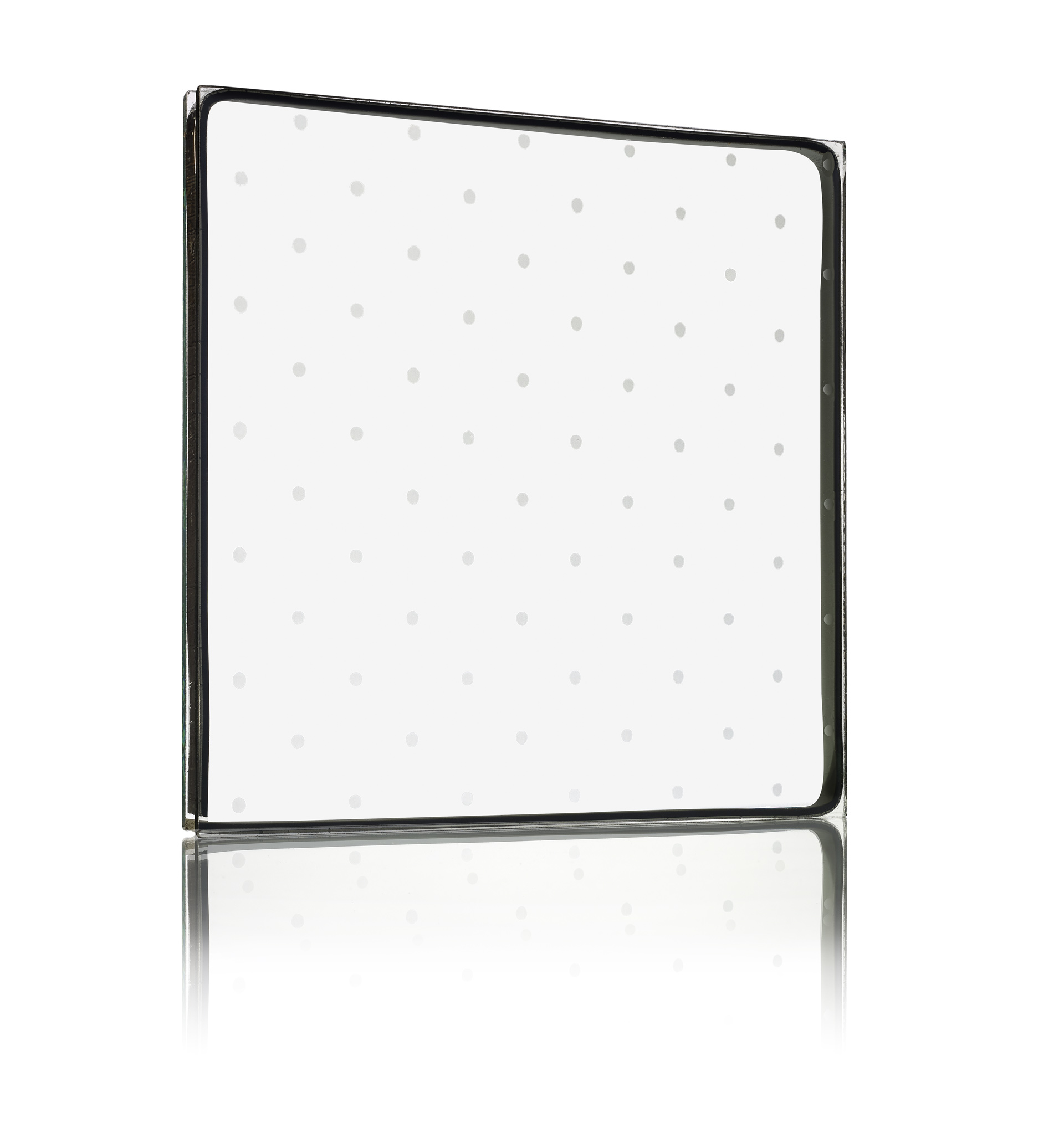
2’’ x 2’’ – 5mm Dots
921
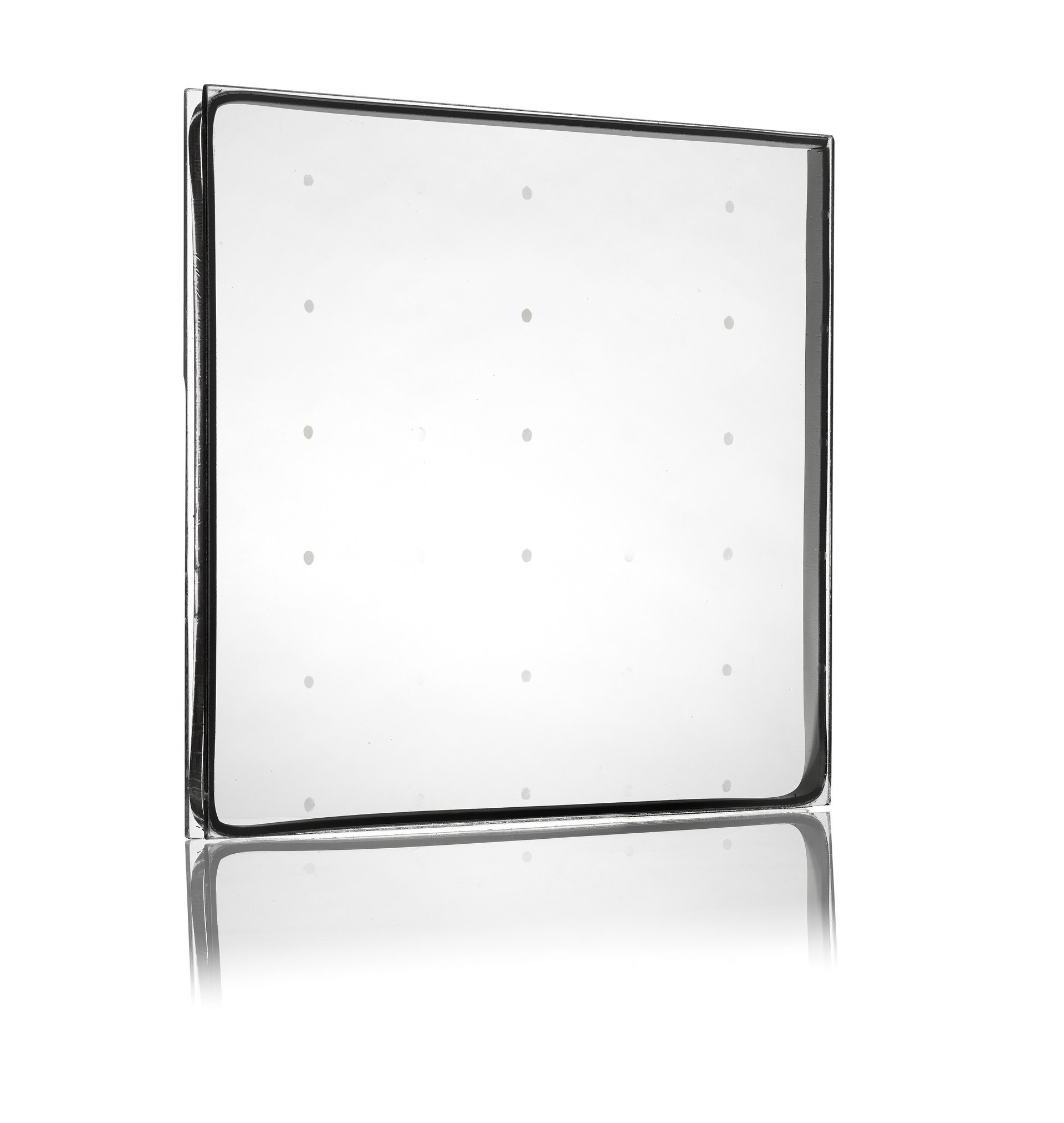
2’’ x 4’’ – 6mm Dots
Monolithic Bird Safe Glass
Bird friendly glass with acid etched markers on surface one.
915
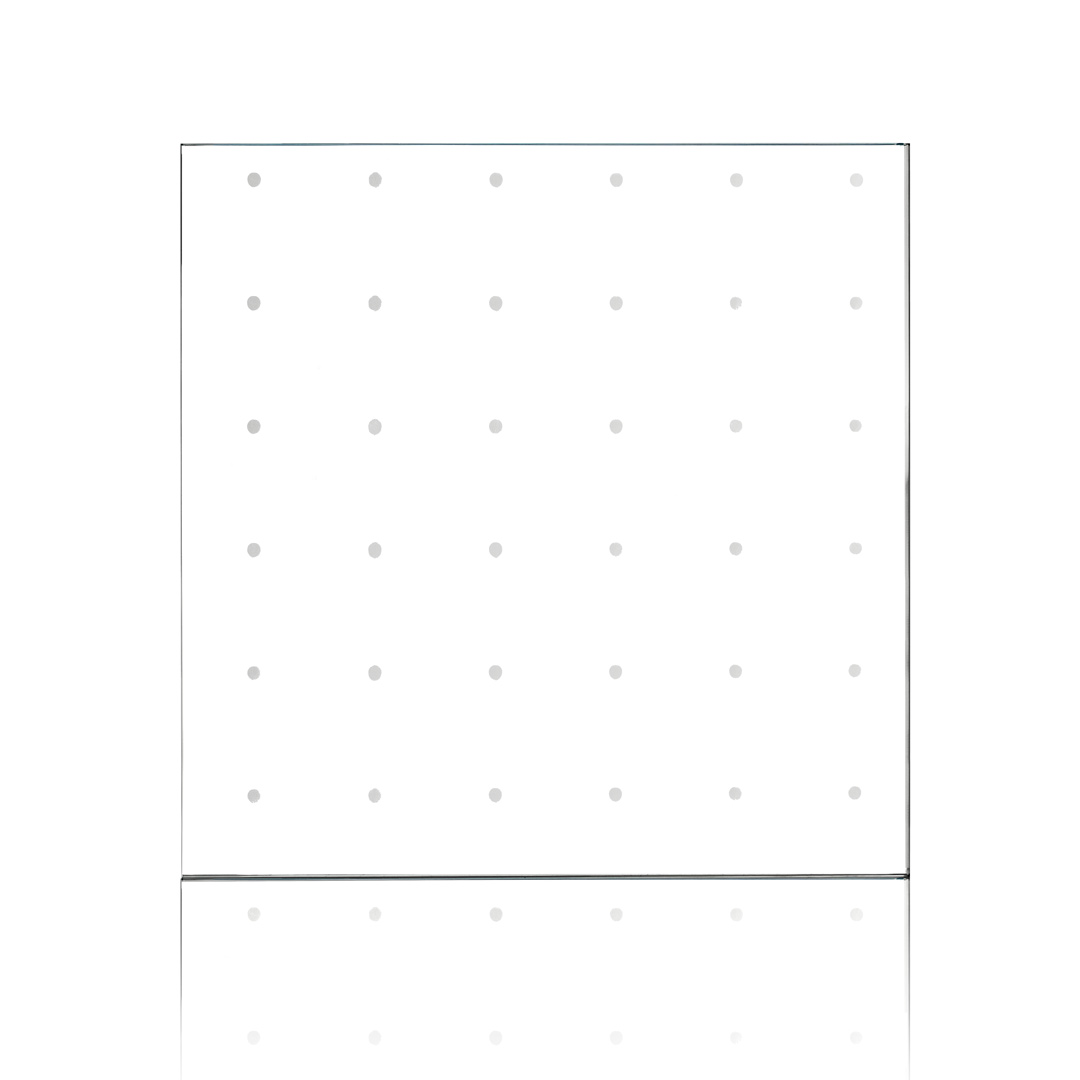
2’’ x 2’’ – 5mm Dots
917
2’’ x 2’’ – 5mm Dots
921
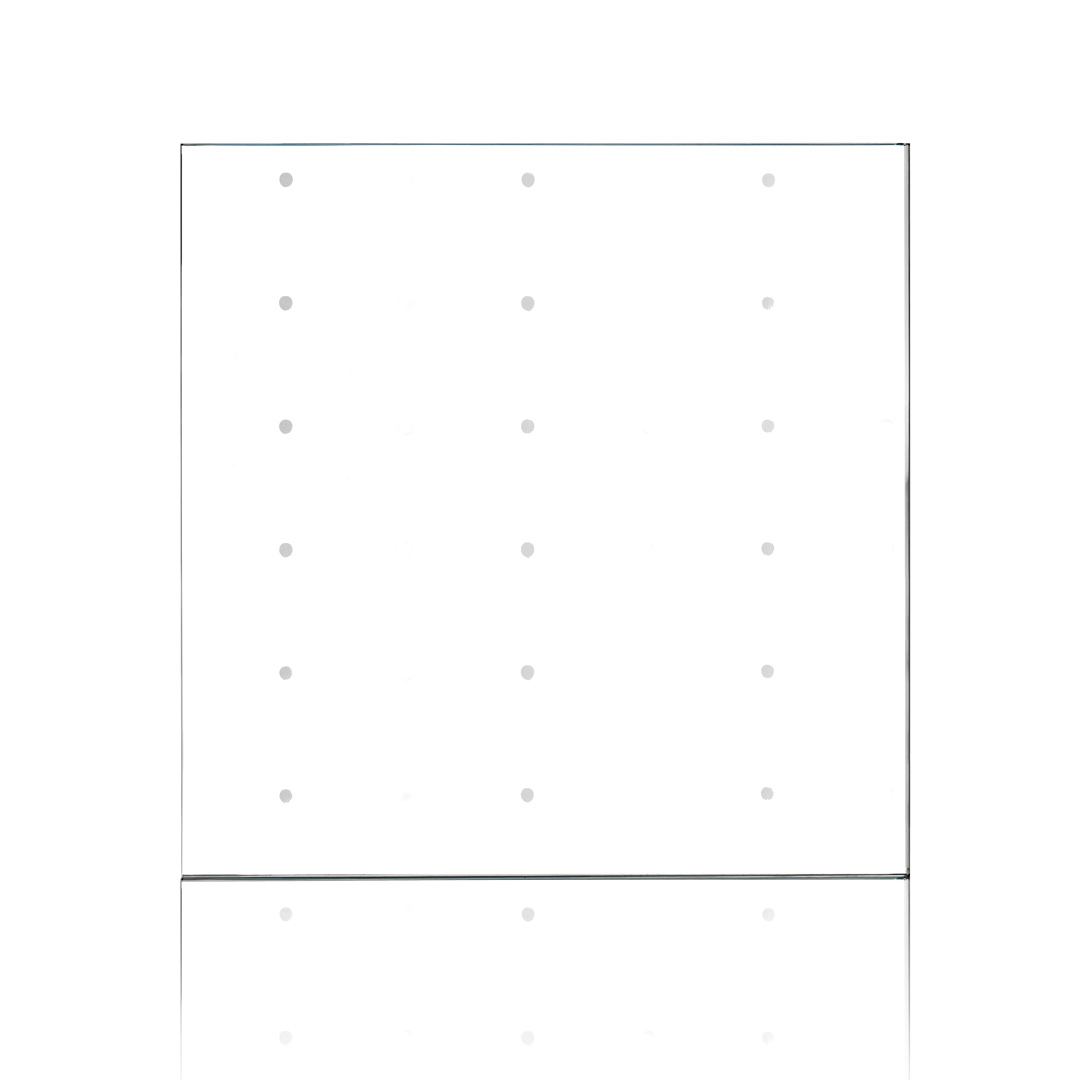
2’’ x 4’’ – 6mm Dots
Product Details
- Thickness: 3mm to 12mm (1/8″ to 1/2’’)
- Dimensions: Standard 96’’ x 130’’ and 100″ x 144″, other sizes available on demand
- Substrates: Clear and Starphire Ultra-Clear® glass by Vitro Architectural Glass, other substrates available on demand
- Minimum order quantity: 3 blocks per pattern
- Energy: Available with Vitro Glass Solarban® coatings; other coatings available on demand
- Availability: AviProtek® Turbo glass products with low e coating on surface two are only available for members of the Vitro Certified™ Network.
- Bird Collision Deterrence: The patterns meet most published standards, guidelines and legislation adopted by states, cities and provinces across North America. Furthermore, pattern 917 has a threat factor of 15 from ABC.
- Surface: Etching is to be used on the exterior surface only
- Warranty for the acid etching: 10-year limited warranty against surface degradation. For all terms and conditions regarding the AviProtek® warranty, please contact our Customer Service Department.
- Warranty for the low e coating: For more information, please communicate with the Vitro Glass Customer Service Department.
- Environment: AviProtek® Turbo can help projects earn LEED® credits under multiple categories, including Materials & Resources through the availability of Health Product Declarations®.
AviProtek® Turbo glass features acid etched bird safe patterns on surface one. The patterns are etched directly into the glass itself without any films or coatings, making this a durable, low-maintenance solution. The glass is also available with a low e coating on surface two.

At a Glance: Comparing AviProtek® Bird Safe Glass Options
| AviProtek® | AviProtek® E | AviProtek® T | AviProtek® Turbo | |
|---|---|---|---|---|
| Bird friendly pattern | Acid etched on surface 1 | Acid etched on surface 1 | UV reflective on surface 1 | Acid etched on surface 1 |
| Energy-efficient low e coating | Can be used on surface 3 | Included on surface 2 | Can be used on surface 3 | Available on surface 2 |
| Visibility of patterns to the human eye | Visible but unobtrusive | Visible but unobtrusive | Almost invisible | Visible but unobtrusive |
| Compliant with bird safe design requirements across North America | Yes | Yes | Yes | Yes |
| Threat Factor ratings from ABC | Yes | Yes | No | Pattern 917 |
| Impact on light flow | No impact | No impact | Minimal impact | No impact |
| EPD and HPD available | Yes | Yes | Yes | HPD® available |
Sustainability
LEED® Certification
AviProtek® Turbo bird friendly glass can contribute to the following credits under LEED v4.1 Building Design + Construction (BD+C):
- Energy and Atmosphere
Optimize Energy Performance
(when used with low e coating on surface 2) - Materials and Resources
Building Product Disclosure and Optimization
Environmental Product Declaration
Material Ingredients – Ingredients and Emissions (HPD®) - Indoor Environmental Quality
Low-Emitting Materials
Daylight
Quality Views - Innovation
Bird Collision Deterrence
Bird Safe Legislation
AviProtek® provides architectural glass solutions that are compliant with all North American bird safe design models, including:
- CSA 460:10 Standard for Bird Friendly Glass
- New York City Local Law 15
- Toronto Green Standard
- San Francisco Standards for Bird-Safe Buildings
- and many more.
AviProtek® Turbo pattern 917 has a threat factor rating from the American Bird Conservancy.
To find the right solution for your area, please consult the AviProtek® Architectural Manager for your region.
Documentation and Resources
Health Product Declarations® (HPD®)
You can request a copy of the HPD® for AviProtek® Turbo glass from your Architectural Manager.
Warranty
AviProtek® products are backed with a 10-year warranty against surface degradation. Since the markers are acid etched directly onto the glass without any additional material, these products need no special care.
Guidelines for Product Selection
These references help you choose the best solution for your needs. Information includes:
- Product Selection Criteria
- Ordering Guidelines
- LEED Credits
- Product Specifications
- Properties and Performance Characteristics
- Warranty and Policy Statements
- Guidelines for Handling, Fabrication, and Cleaning
Architectural Team
Walker’s North American architectural managers are here to support you at every step of your bird friendly design process. Working on a bird safe project? We encourage you to reach out to the Architectural Manager for your region.
Frequently Asked Questions About AviProtek® Turbo Bird Friendly Glass
This FAQ section focuses on AviProtek® Turbo glass. For more questions and answers about bird friendly glass in general, we invite you to consult the AviProtek® FAQ section.
Why was AviProtek® Turbo developed?
AviProtek® Turbo was developed to support higher-volume orders with faster lead times and competitive pricing, to meet the market’s increasing demand for bird friendly glass.
Turbo uses a highly efficient manufacturing process designed to meet the needs of large, schedule-driven projects.
How does AviProtek® Turbo benefit fabricators and contract glaziers?
Turbo offers larger stock sheet sizes, up to 100″ x 144″, to fit larger openings. Faster lead times and higher volumes can accommodate tighter construction schedules. This is a solution that works well for high-volume projects with tight construction schedules. It is a low maintenance solution with a proven track record for bird collision deterrence.
What benefits does AviProtek® Turbo offer for architects and designers?
Turbo serves current design trends toward larger glazed openings while maintaining the full performance range of the AviProtek® program. It is available in multiple thicknesses and substrates and can be combined with low-e coatings. Architects can count on the proven bird friendly performance, regulatory compliance, high visible light transmission, and energy efficiency that the AviProtek® brand is known for.
Does AviProtek® Turbo replace classic AviProtek® glass?
AviProtek® Turbo expands the established AviProtek® offering but does not replace it. Classic AviProtek® glass remains the optimal choice for projects with smaller volumes, or pattern requirements not yet offered in Turbo. Both formats play complementary roles within the overall brand.
What patterns are available in AviProtek® Turbo?
Turbo currently offers three dot patterns 915, 917 and 921, selected for their popularity in the market and compliance with North American bird-safe guidelines.
What legislation exists for bird friendly building design?
Bird safe building design is increasingly required by ruling bodies across North America. These requirements typically call for bird friendly glazing on the first 40-60 feet of façades, as well as treatments on rooftop railings, glass canopies, and greenhouses. Many bird friendly buildings are also designed to meet LEED certification criteria, which include a credit for bird safe design. Working with architectural glass products such as AviProtek® bird friendly glass helps projects comply with these standards.
Bird friendly legislation in North America is mostly driven by authorities at the state/provincial or municipal level. Some of the best-known rulings in the United States are San Francisco’s Standard for Bird Safe Buildings and New York City’s Local Law 15.
In Canada, the CSA A460:10 standard for Bird friendly building design provides a voluntary national standard. At the municipal level, the Bird Collision Deterrence section of the Toronto Green Standard is an influential example of bird friendly rules.
The glass industry established its position on bird friendly glazing with the National Glass Association’s publication of their Bird Friendly Design Guide, which supports the prescriptive approach to bird deterrent markers (2×4 rule). This method has proven to be reliable and effective in reducing bird collisions against glass.
The number of cities adopting bird safe regulation is growing rapidly. It is best to communicate with local authorities to see which ones are most relevant to your projects. You can also reach out to your local Walker Glass Architectural Manager to help you understand what bird friendly requirements will affect your project.
What is the 2x4 rule?
The 2×4 rule is a prescriptive standard for pattern spacing in bird friendly glazing. Most birds will not attempt to fly through spaces smaller than 2 inches high or 4 inches wide. By using first surface patterns with this spacing, designers can ensure bird safe windows meet established bird collision deterrence guidelines.
The 2×4 rule was developed by Dr. Daniel Klem, based on his field experiments on bird glass collisions. To learn more, you can read our article, The 2×4 rule: The origin and definition.