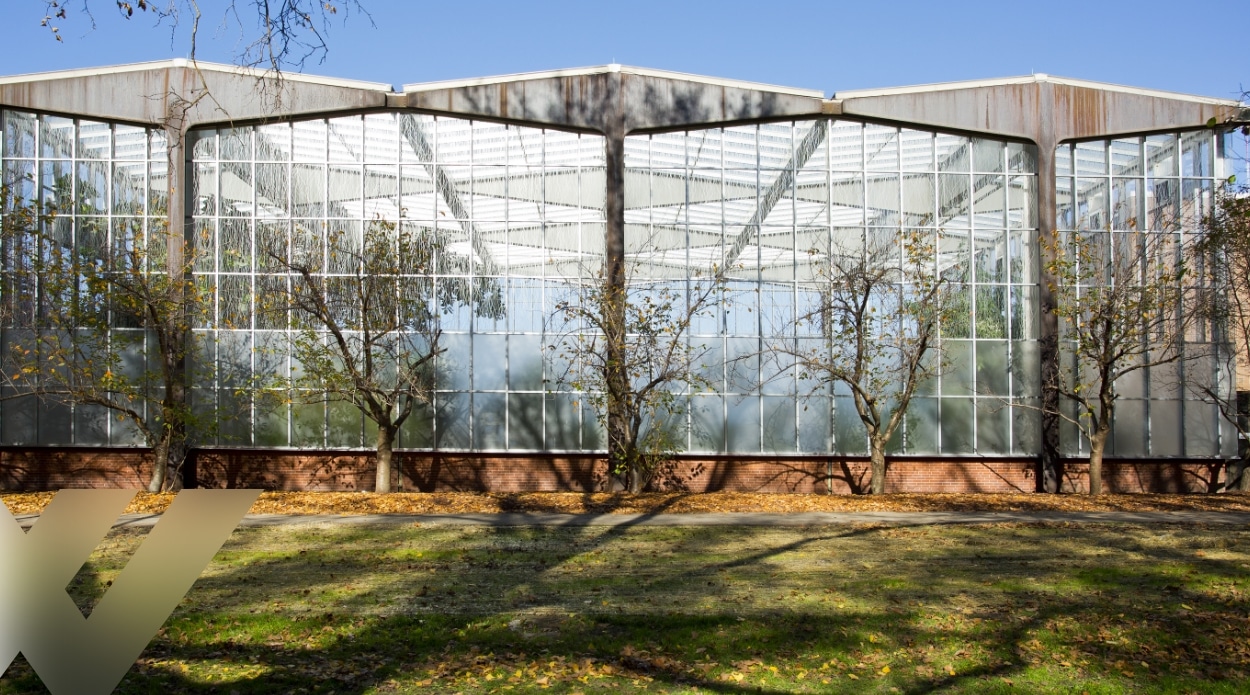
AviProtek® Bird Friendly Glass
AviProtek® is the original bird friendly glass: a trusted solution proven to reduce bird collisions with windows. Designed for exterior use, it features acid etched patterns on the outermost surface, creating a visible barrier that helps birds recognize glass and avoid hitting windows.
This bird safe glass is ideal for applications where bird collision deterrence is desired but insulation is not required, such as glass railings, shelters, and linkways. For enhanced energy performance, AviProtek® can also be combined with high-performance low-e coatings on surface 3. For applications that require a low-e coating on surface 2, we recommend AviProtek® E low-e bird safe glass.
Bird Friendly Pattern Options
Dots and Squares Acid Etched Patterns
215
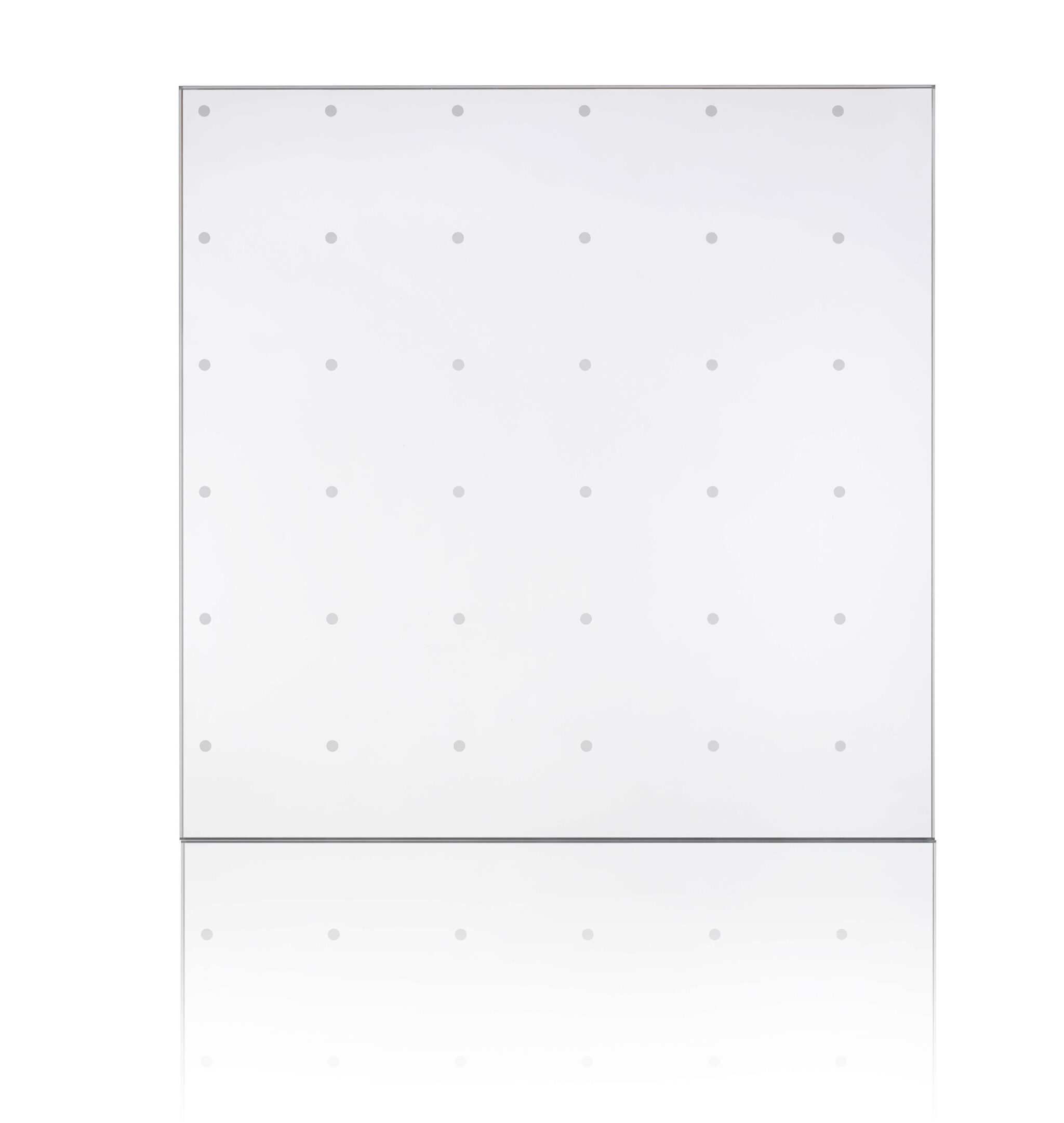
2’’ x 2’’ – 5mm Dots
216
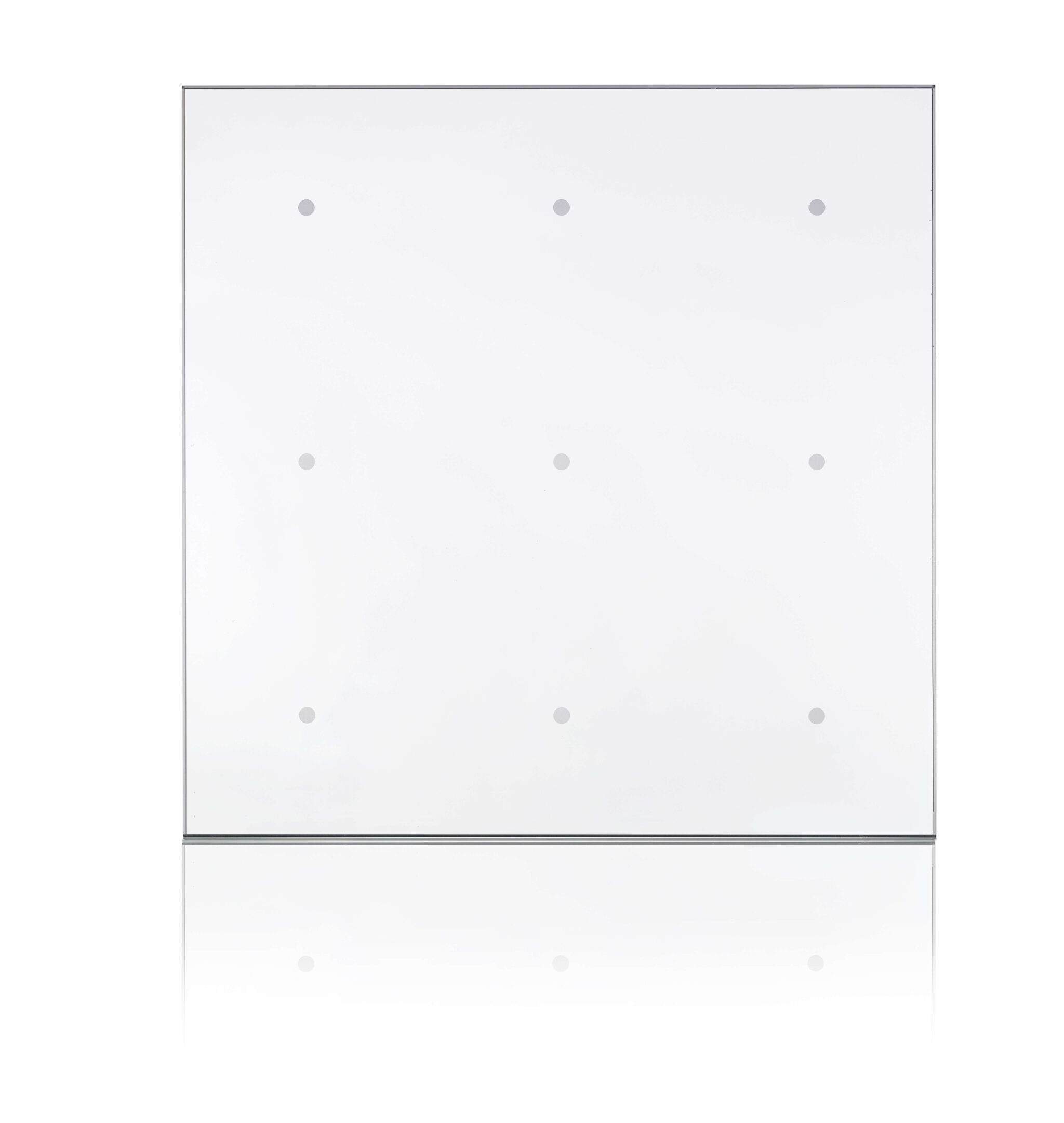
4’’x 4’’ – 6mm Dots
217
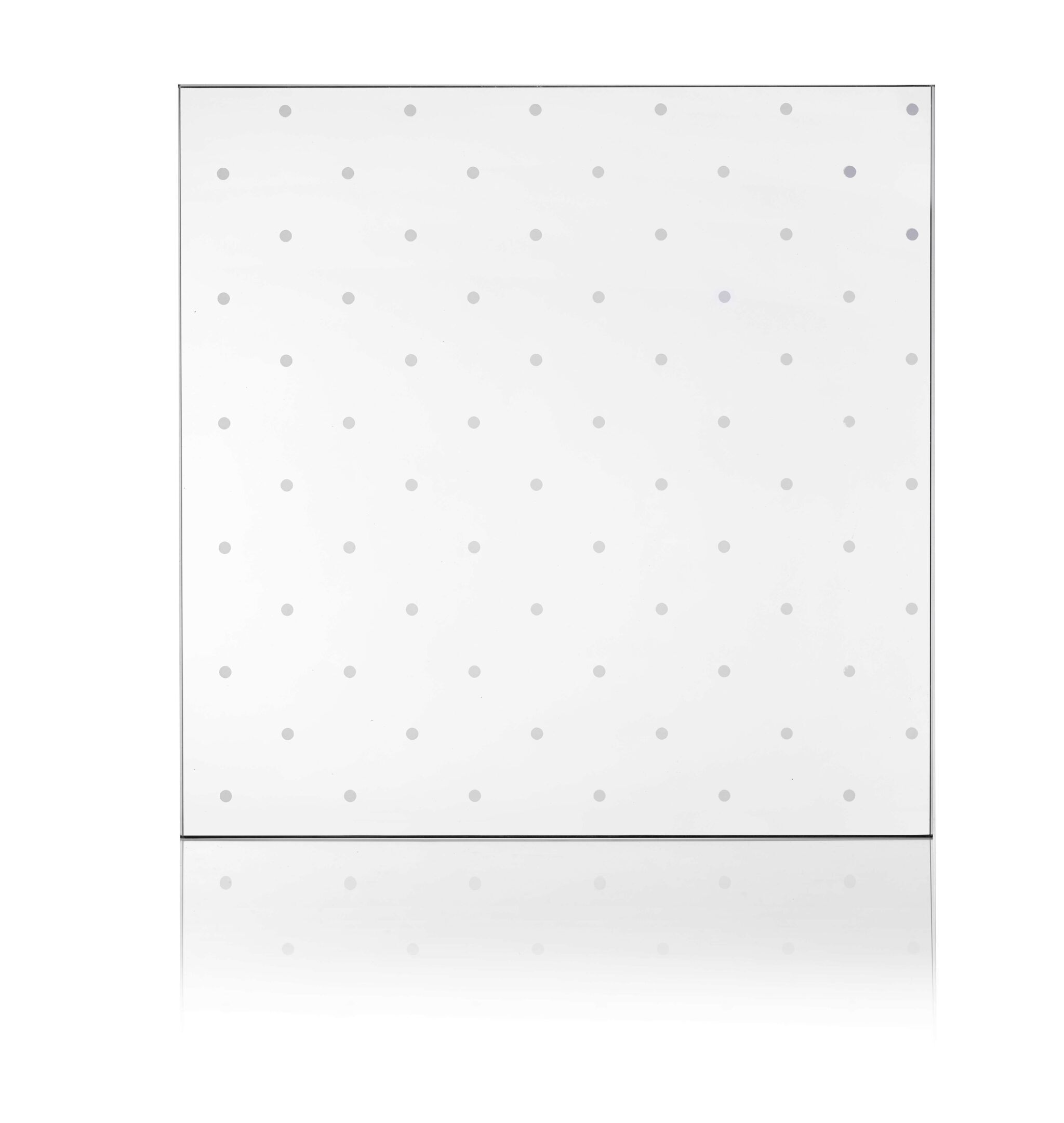
2’’ x 2’’ – 5mm Dots
221

2’’ x 4’’ – 6mm Dots
226
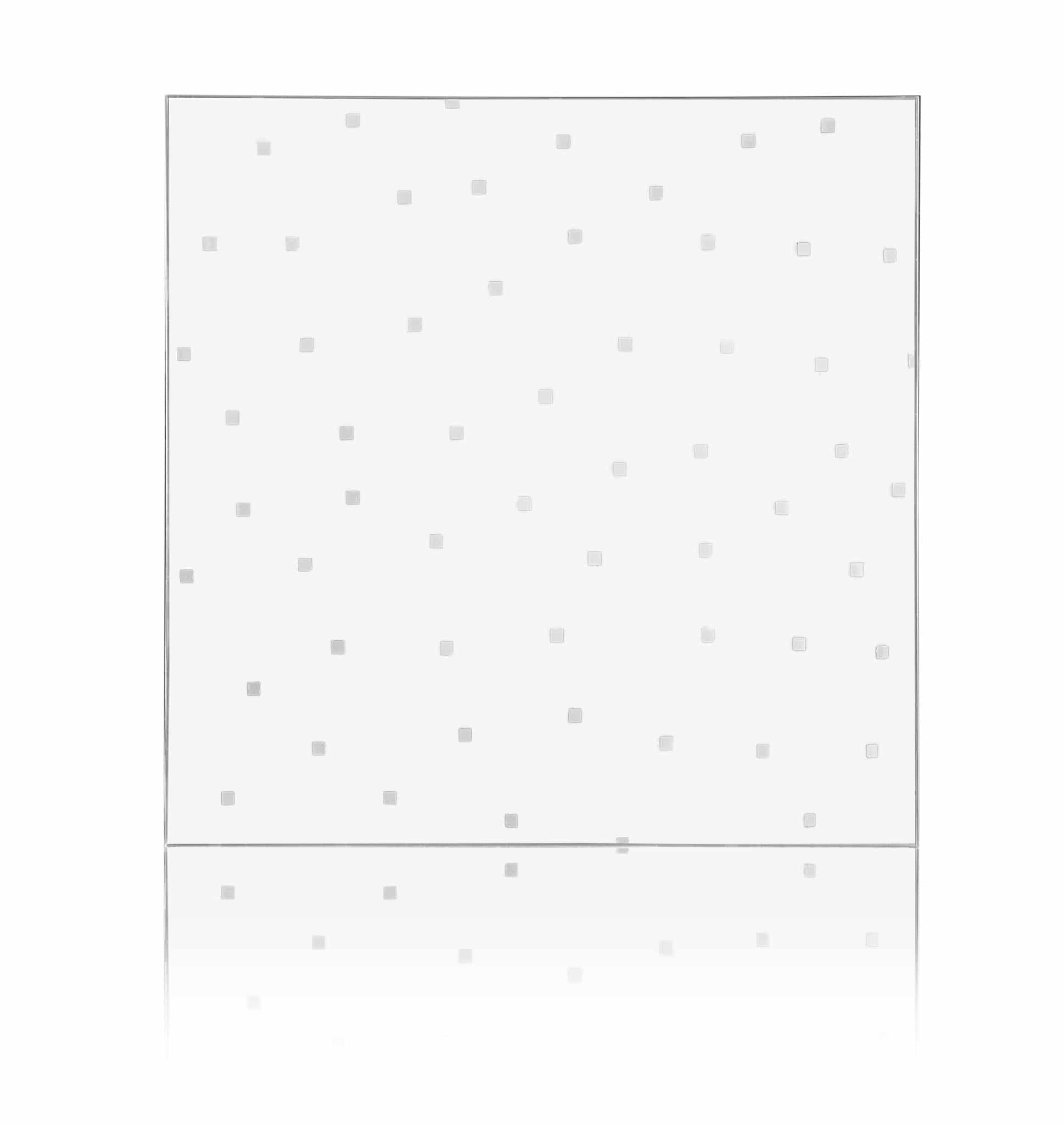
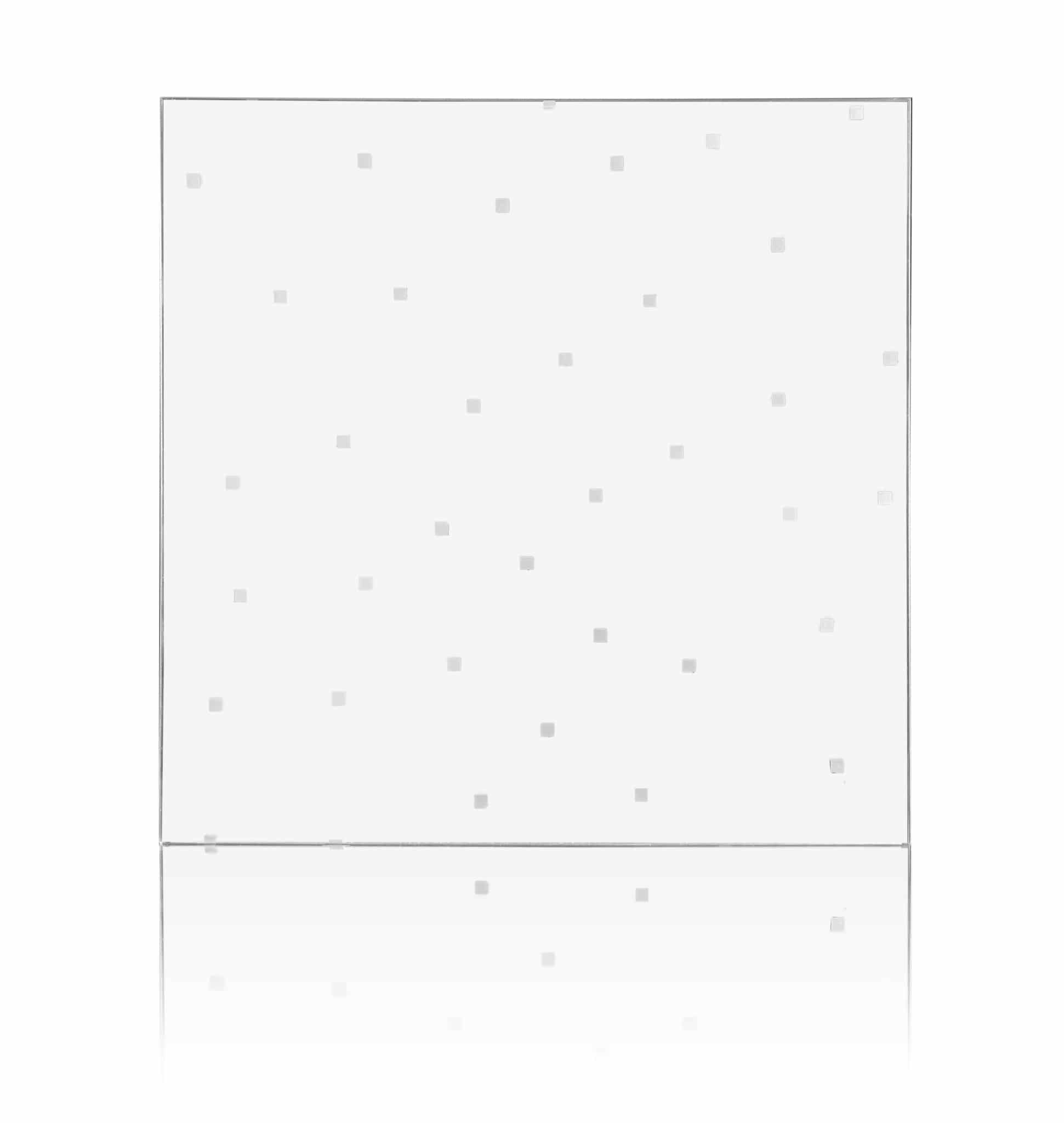
2” x 2” – 5mm Squares
227
2” x 4” – 5mm Squares
Linear and Custom Acid Etched Patterns
211
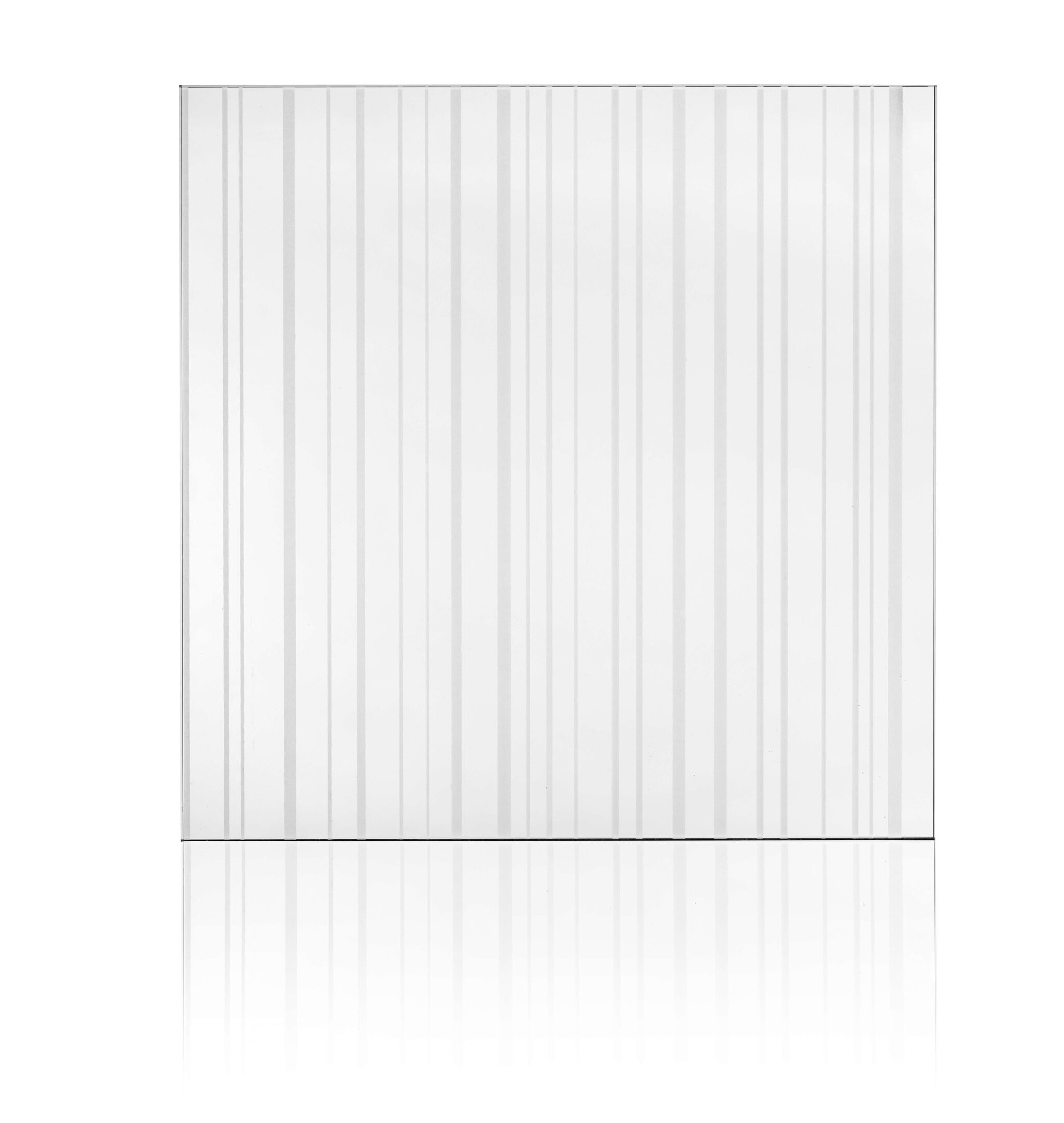
Vertical
214
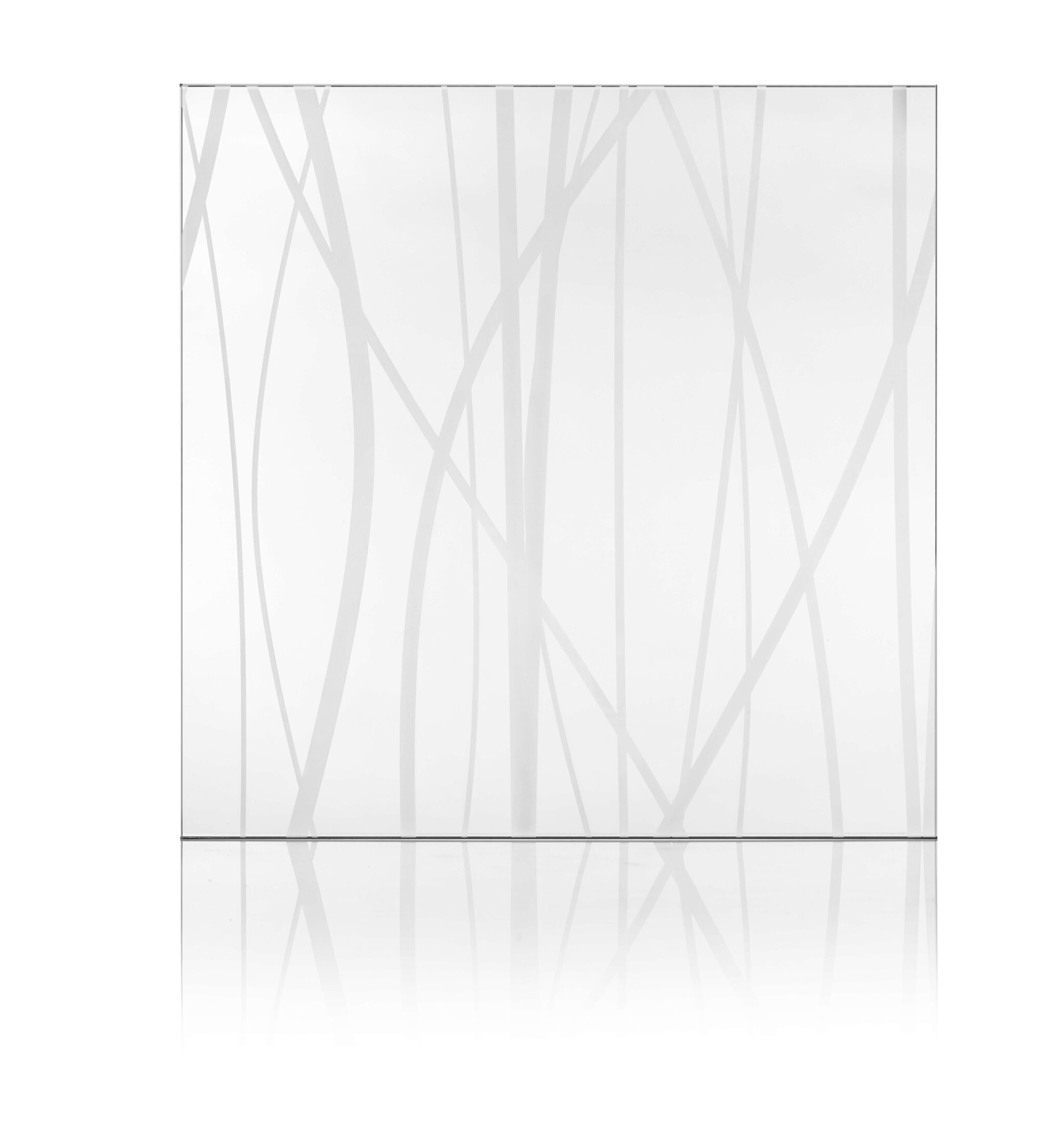
Organic
Custom
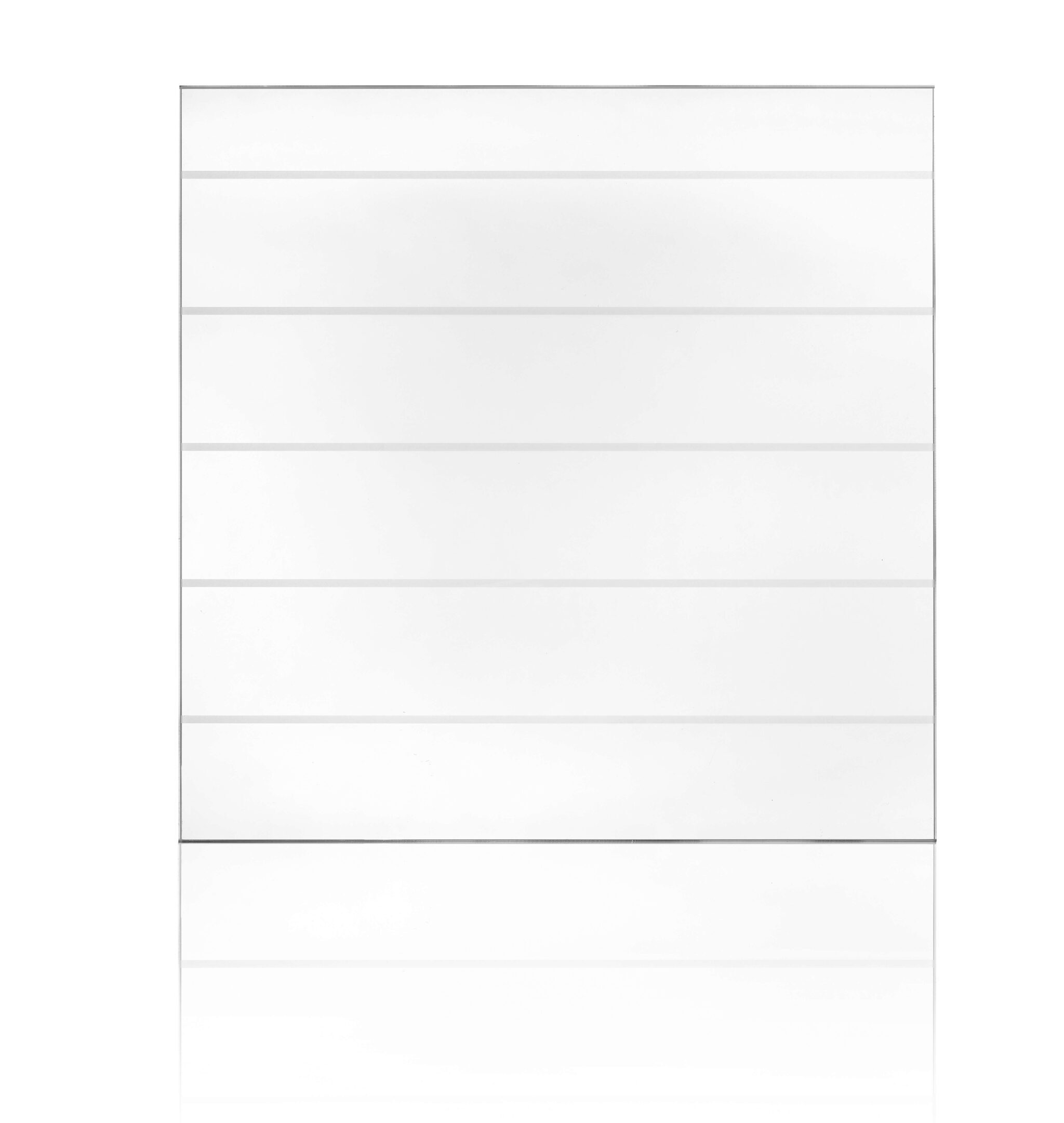
Custom Design
Product Details
- Thickness: 4mm and 6mm (5/32″ and 1/4’’)
- Dimensions: Standard 96’’ x 130’’
- Substrates: Clear and Starphire Ultra-Clear® glass by Vitro Architectural Glass, other substrates available on demand
- Minimum order quantity: 4,000 lb (one block)
- Energy: Can be combined with any low-e glass on position 3
- Application: Exterior
- Surface: Etching is to be used on the exterior surface only
- Warranty: 10-year limited warranty against surface degradation. For all terms and conditions regarding the AviProtek® warranty, please contact our Customer Service Department.
AviProtek® glass features acid etched bird safe patterns on surface 1. The patterns are etched directly into the glass itself without any films or coatings, making this a durable, low-maintenance solution.

At a Glance:
Comparing AviProtek® Bird Safe Glass Options
| AviProtek® | AviProtek® E | AviProtek® T | AviProtek® Turbo | |
|---|---|---|---|---|
| Bird friendly pattern | Acid-etched on surface 1 | Acid-etched on surface 1 | UV-reflective on surface 1 | Acid-etched on surface 1 |
| Energy-efficient low-e coating | Can be used on surface 3 | Included on surface 2 | Can be used on surface 3 | Available on surface 2 |
| Visibility of patterns to the human eye | Visible but unobtrusive | Visible but unobtrusive | Almost invisible | Visible but unobtrusive |
| Compliant with bird safe design requirements across North America | Yes | Yes | Yes | Yes |
| Threat Factor ratings from ABC | Yes | Yes | No | Pattern 917 |
| Impact on light flow | No impact | No impact | Minimal impact | No impact |
| EPD and HPD® available | Yes | Yes | Yes | HPD® available |
Ovo Centre, Toronto, ON
Sustainability
LEED® Certification
AviProtek® bird friendly glass can contribute to the following credits under LEED v4.1 Building Design + Construction (BD+C):
- Materials and Resources
Building Product Disclosure and Optimization
Environmental Product Declaration
Material Ingredients - Indoor Environmental Quality
Low-Emitting Materials
Daylight
Quality Views - Innovation
Bird Collision Deterrence
Bird Safe Legislation
AviProtek® provides architectural glass solutions that are compliant with all North American bird safe design models, including:
- CSA 460:10 Standard for Bird Friendly Glass
- New York City Local Law 15
- Toronto Green Standard
- San Francisco Standards for Bird-Safe Buildings
- and many more.
AviProtek® products have also been tested and rated by the American Bird Conservancy.
To find the right solution for your area, please consult the AviProtek® eBook of Bird Friendly Glass for your region. These documents are available for download at no cost.
Documentation and Resources
Environmental Product Declarations and Health Product Declarations® (EPD and HPD®)
Request a copy of our EPD and HPD® for AviProtek® glass from your Architectural Manager, or download the AviProtek® Environmental Data Sheet.
Warranty
AviProtek® products are backed with a 10-year warranty against surface degradation. Since the markers are acid-etched directly onto the glass without any additional material, these products need no special care.
Guidelines for Product Selection
These references help you choose the best solution for your needs. Information includes:
- Product Selection Criteria
- Ordering Guidelines
- LEED Credits
- Product Specifications
- Properties and Performance Characteristics
- Warranty and Policy Statements
- Guidelines for Handling, Fabrication, and Cleaning
Architectural Team
Walker’s North American architectural managers are here to support you at every step of your bird friendly design process. Working on a bird safe project? We encourage you to reach out to the Architectural Manager for your region.
Frequently Asked Questions About Bird Safe Glass
What is bird safe glass?
Bird safe glass, also known as bird friendly glass, bird glass, or bird frit, is a type of architectural glass product designed to prevent bird glass collisions. Birds can’t see glass, but they can see the visual markers on the surface of the product. As a result, they recognize the presence of a barrier and avoid collision.
Bird safe glass may incorporate acid etched patterns or UV reflective treatments, among other options.
How does bird safe glass work?
Bird safe glass works by making the glass visible to birds as a solid barrier. This is achieved with solutions like acid etched glass or UV coatings. Although birds can’t see the glass itself, they can see the patterns applied to the glass and avoid collision.
To be most effective, bird safe patterns should be applied to the outermost surface of the glass (surface 1). This way, they will not be hidden by reflections on the glass.
Can birds see glass?
No, birds can’t see glass the way humans do. They may see reflections of trees, sky, or vegetation on the glass surface and mistake them for open habitat. In other cases, they see through clear glass and mistake it for open space.
However, birds can see visual markers applied to glass. Bird safe glass like AviProtek® uses acid etched patterns on the exterior surface of the glass. Birds see these patterns, recognize the presence of a barrier, and avoid collision.
How big is the problem of bird glass collisions?
Bird collisions against glass are among the top causes of bird mortality, accounting for up to a billion bird deaths per year in North America (Loss et. al., 2015). Recent research suggests the number of fatalities may be even higher (Kornreich et. al., 2024).
Birds play critical roles in natural ecosystems, agriculture and tourism, so their loss has significant environmental and economic implications.
When and where do bird glass collisions happen?
During spring and fall migration, the volume of birds in a migration area increases by about 40%, depending on the region. Therefore, twice a year, more collisions occur. However, contrary to popular belief, bird collisions are not just a problem during migratory periods, but all year round.
Collisions can happen against any untreated glass, regardless of whether it’s installed in a homes or cottage, a commercial building, or a skyscraper. High-risk areas include façades facing trees, water, or migratory flyways. Even noise barriers and bus shelters can be dangerous without bird safe glazing. This is why specifying bird friendly glass is important for projects in both natural and urban environments.
What legislation exists for bird friendly building design?
Bird safe building design is increasingly required by ruling bodies across North America. These requirements typically call for bird friendly glazing on the first 40-60 feet of façades, as well as treatments on rooftop railings, glass canopies, and greenhouses. Many bird friendly buildings are also designed to meet LEED certification criteria, which include a credit for bird safe design. Working with architectural glass products such as AviProtek® bird friendly glass helps projects comply with these standards.
Bird friendly legislation in North America is mostly driven by authorities at the state/provincial or municipal level. Some of the best-known rulings in the United States are San Francisco’s Standard for Bird Safe Buildings and New York City’s Local Law 15.
In Canada, the CSA A460:10 standard for Bird friendly building design provides a voluntary national standard. At the municipal level, the Bird Collision Deterrence section of the Toronto Green Standard is an influential example of bird friendly rules.
The glass industry established its position on bird friendly glazing with the National Glass Association’s publication of their Bird Friendly Design Guide, which supports the prescriptive approach to bird deterrent markers (2×4 rule). This method has proven to be reliable and effective in reducing bird collisions against glass.
The number of cities adopting bird safe regulation is growing rapidly. It is best to communicate with local authorities to see which ones are most relevant to your projects. You can also reach out to your local Walker Glass Architectural Manager to help you understand what bird friendly requirements will affect your project.
What is the 2x4 rule?
The 2×4 rule is a prescriptive standard for pattern spacing in bird friendly glazing. Most birds will not attempt to fly through spaces smaller than 2 inches high or 4 inches wide. By using first surface patterns with this spacing, designers can ensure bird safe windows meet established bird collision deterrence guidelines.
The 2×4 rule was developed by Dr. Daniel Klem, based on his field experiments on bird glass collisions. To learn more, you can read our article, The 2×4 rule: The origin and definition.
AviProtek® Glass: A Proven Bird Friendly Solution
In case after case, building owners and managers report zero or near-zero bird strikes against AviProtek® glass. Furthermore, the glass helps meet performance goals for aesthetics, energy efficiency, sustainability, occupant comfort, and more.
You can find more success stories in our report on The Effectiveness of AviProtek® Bird Friendly Glass.
Project Highlights